What Is a Master Key System?
A master key system is a group of locks set up so one key opens every door, while each door also keeps its own separate key. Building owners use this so a manager can reach any room, and staff reach only their own. The setup is mechanical, not electronic. It works with standard pin tumbler hardware from Schlage, Best, Corbin Russwin, and Medeco. Planned well, it cuts a janitor’s keyring from thirty keys down to two. Planned badly, it creates doors that open with keys nobody expected.
How Does a Master Key System Work?
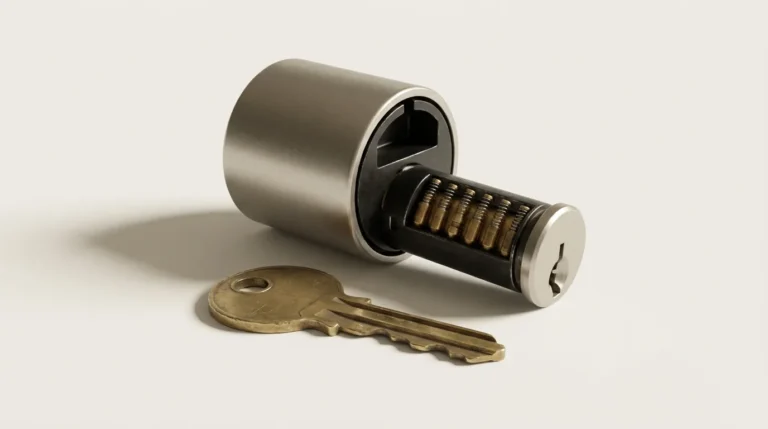
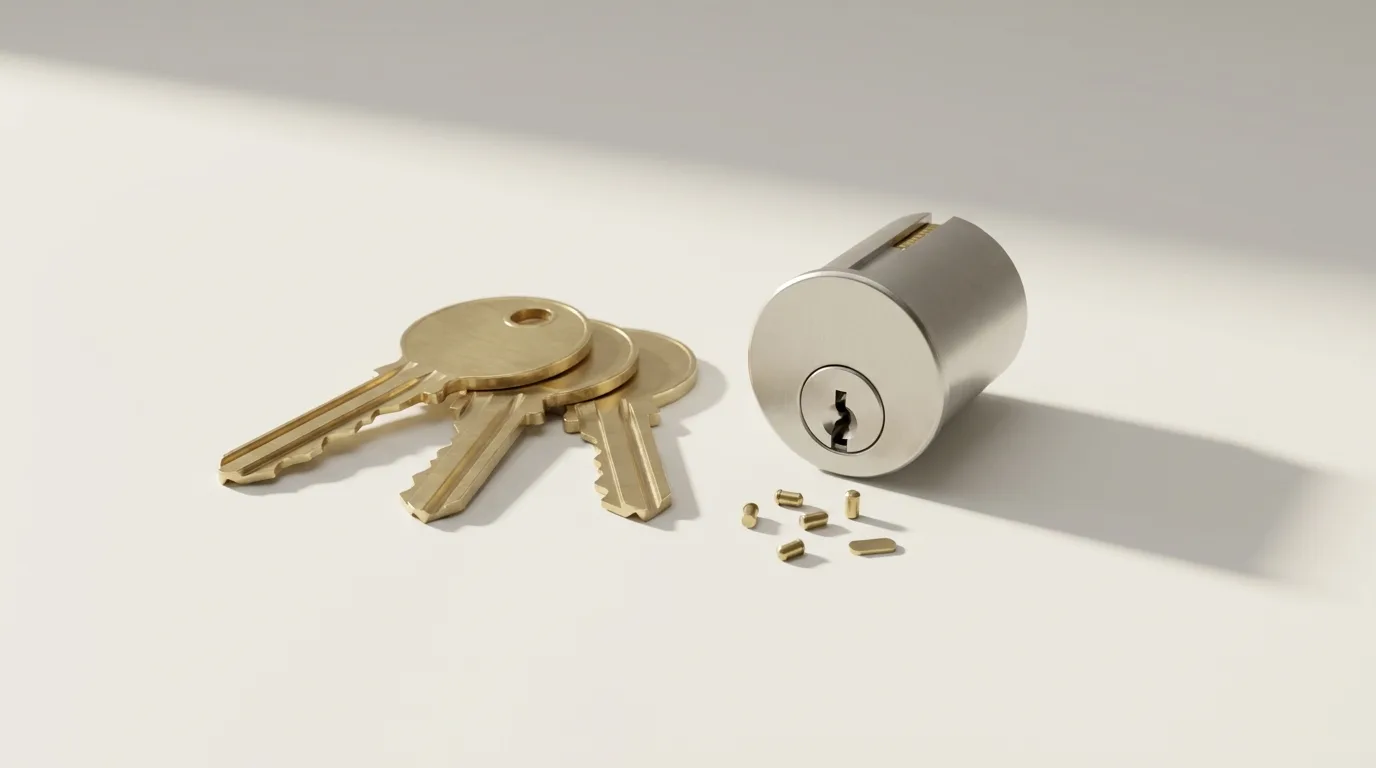
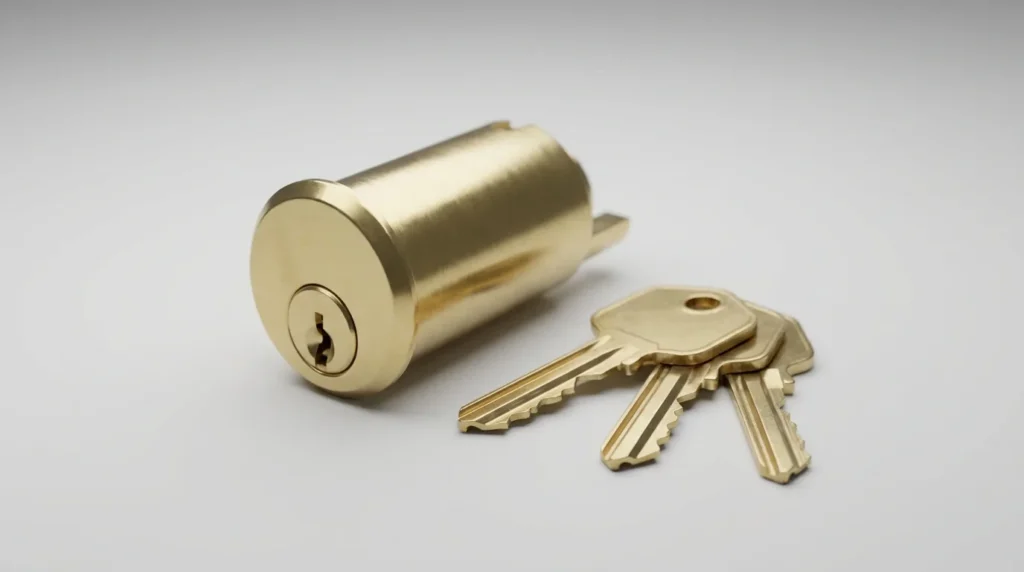
A master key system works by adding one small extra pin inside each cylinder. That pin is called a master wafer. It sits in the pin stack between the key pin and the driver pin.
A normal cylinder breaks at the shear line at one height only. One key cut, one turn. Adding a wafer gives that stack two heights where it splits cleanly. Two different keys now turn the same plug, and the lock cannot tell them apart.
A locksmith rarely wafers every chamber. Most builds use wafers in two or three chambers out of five or six. Fewer wafers means fewer stray combinations and a stronger cylinder. Over pinned cylinders also bind and wear early, and a key that broke inside the plug usually starts that way.
Every lock in the plan shares one keyway. Schlage C, Kwikset KW1, and Best A are common picks. Mixing keyways breaks the plan before pinning starts.
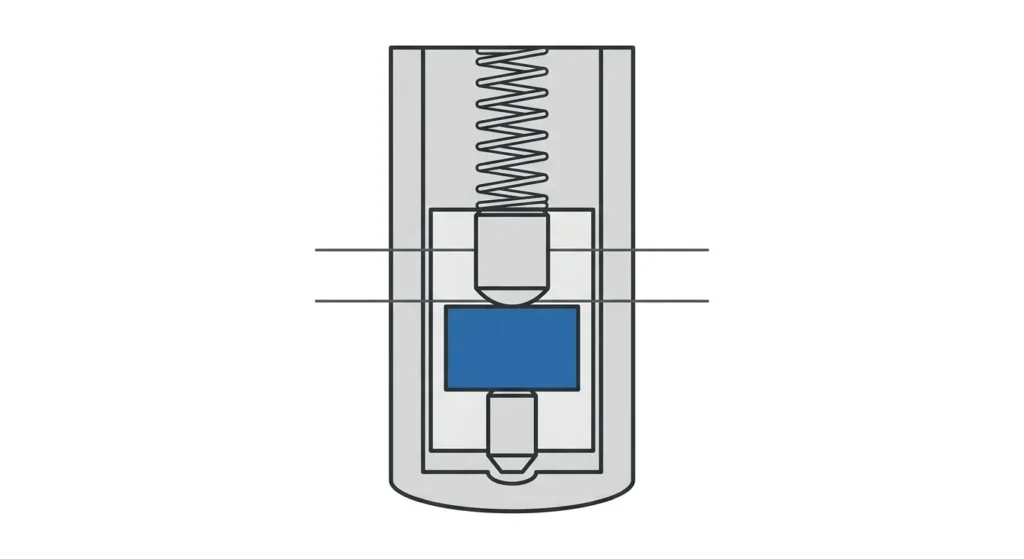
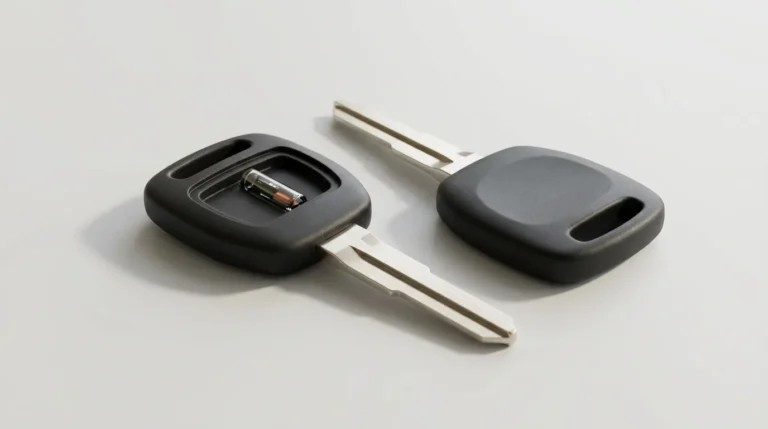
Three key types do the work:
Change Keys vs Master Keys
A change key is cut to the low break point in each wafered chamber. A master key is cut to the high point. Both are legitimate cuts, and the cylinder accepts either one.
That difference drives key control. A change key handed to a fired employee reaches one office. A master key handed out casually reaches the whole floor. Log which key left with which person on the day you issue it. Paper works. Memory does not.
How Does a Master Key Open All Doors?
A master key works because each lock has two shear lines instead of one. The master wafer sits in each pin stack. Your change key lifts the pins to one height. The master key lifts them to another. Either height lets the plug turn. So one master key opens every door in its group, while each change key opens only its own.
The Four Levels of Master Keying
Levels stack downward. Each tier opens everything below it and nothing above it.
Tier | Name | What it opens | Usually held by |
|---|---|---|---|
4 | Great grand master key (GGMK) | Every lock across a whole portfolio | Owner or regional manager |
3 | Grand master key (GMK) | Every department in a building | Property manager |
2 | Master key (MK) | All doors in one department or floor | Supervisor or tenant |
1 | Change key (CK) | One door only | Employee or unit occupant |
Small buildings stop at two tiers. A medical office with twelve doors needs change keys and one master. A four building campus off Old Trolley Road may need all four.

What Is a Grand Master Key System?
A grand master key adds a third tier. Change keys open single doors. Masters open a department or a floor. The grand master opens every department beneath it.
Use it when one building holds separate groups that should not cross. A property with a dental suite, an accounting firm, and a shared conference wing fits that shape. Each tenant holds a master for their own suite. The owner holds the grand master.
Is There a Great Grand Master Key?
Yes. The great grand master key, written GGMK, is the fourth tier. It sits above the grand masters and reaches an entire property portfolio.
Very few single buildings need one. Property groups with several sites use it so a regional manager carries one key instead of nine. The tradeoff is heavy. Lose that key and every site is exposed at once. Most owners keep it in a safe and sign it out.
Terms Used in Master Key Systems
Master key systems come with their own words. Here are the ones you will hear from a locksmith.
| Term | What it means |
|---|---|
| Change key | The key for one door or one group of doors. It is the key an employee or tenant carries. |
| Sub master key | One level up. It opens a set of doors, like every room on one floor. |
| Master key | Opens every lock at or below its level in the system. |
| Grand master key | Opens doors across several master key groups, such as two buildings. |
| Great grand master key | The top key. It opens everything and goes to very few people. |
| Master wafer | A thin pin added to each pin stack. It creates a second shear line, so two keys can open one lock. |
| Key schedule | The chart that lists each door, which keys open it, and each key’s cut code. Some call it a master key list. |
| Restricted keyway | A key shape only an approved dealer can copy. |
How to Set Up Master Keying in Your Building
Start with a door schedule, not with locks. List every opening, the room it serves, who needs in, and the hardware on it now. A walk through of every opening in the building takes an hour and saves days.
Next comes the keying schedule. That is the chart matching each door to a change key and a master. A locksmith who does master key work builds this chart before touching a cylinder. The chart is the design. Pinning just follows it.
Three items to settle before work begins:
- Keyway and key control. Open keyways like KW1 copy at any hardware counter for a couple of dollars. Restricted keyways such as Medeco X4 or Schlage Primus require documented authorization to duplicate.
- Hardware grade. ANSI/BHMA A156.5 grades cylinders for commercial duty. Grade 1 belongs on exterior and high traffic openings.
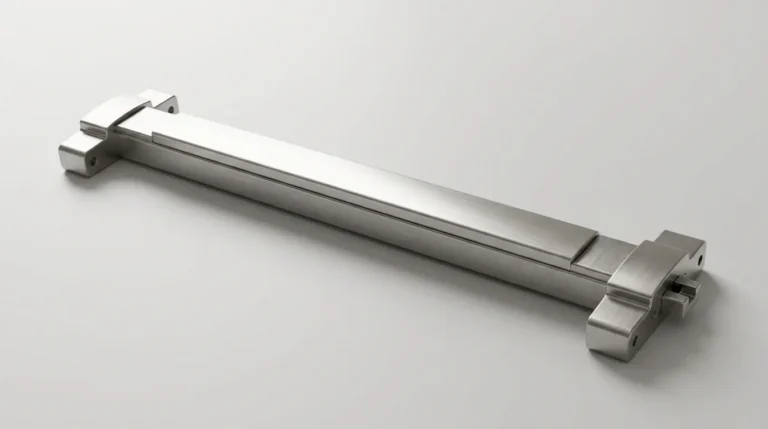
- Exit devices. Panic hardware from Von Duprin or Detex takes a rim or mortise cylinder that must match the keyway. Keying can never block free egress, and how exit devices are supposed to operate is set by NFPA 101.
Where Does DIY Master Keying Go Wrong?
Changing a keypad code or swapping a battery is fine DIY work. Pinning a building is not.
The failure is quiet. Wafers create working combinations beyond the two you cut keys for. Locksmiths call those incidental keys or phantom keys. Pin twenty doors by guesswork and a janitor’s key can end up opening the payroll office. Nothing looks broken. The lock turns, the door opens, and nobody finds out for a year.
A trained locksmith checks the chart against MACS limits and screens for cross keying first. That check is most of the job. Swapping out a worn commercial cylinder is a two hour task. Undoing a bad chart is a two week one.
How Much Does Master Keying Cost?
Cost tracks openings, not square footage. The ranges below are typical commercial figures, not a quote.
Building size | Openings | Chart design | Per cylinder | Typical total |
|---|---|---|---|---|
Small office or suite | 5 to 15 | included to $150 | $18 to $35 | $250 to $700 |
Mid size building | 25 to 60 | $150 to $300 | $18 to $35 | $700 to $2,400 |
Multi tenant or campus | 100 plus | $300 to $600 | $20 to $40 | $2,800 and up |
Restricted keyway upgrade | any | same | add $12 to $30 per blank | varies by keyway |
Two costs surprise people. Chart design gets billed on its own for larger builds. And restricted key blanks cost more every time, forever, because controlled duplication is exactly what you are paying for. Check current rates for cylinder work before you set a budget.
Coastal air belongs in that budget too. Salt and humidity across Dorchester County corrode springs and pin stacks faster than inland air does. A cylinder that binds is a cylinder somebody forces. On exterior openings older than ten years, price replacement rather than rekeying.
Who Owns the Master Key in an Office Building?
The building owner or landlord holds it under almost every commercial lease.
Standard lease language gives the landlord a right of entry for repairs, inspections, and emergencies. That right means nothing without a key. So the owner keeps the master, and each tenant gets change keys for their own suite.
Tenants can negotiate exceptions. Server rooms, medical records storage, and cash handling areas often get keyed off the plan entirely. Put that carve out in the signed lease, not in an email thread.
Can a Condo Building Switch to Master Keying?
Yes for common areas. Usually no for unit doors.
Lobbies, mail rooms, mechanical rooms, roof hatches, and amenity spaces are association property. A board can rekey those on one plan by normal vote.
Unit doors sit differently. Most South Carolina condo declarations treat the unit entry as owner property. Owners rarely hand the board a key to their home, and few boards want that liability.
The common answer is a split. Master the shared doors and leave unit doors alone. Read the declaration first, then have counsel confirm before the vote.
How Does an Apartment Master Key System Work?
An apartment master key system gives management one key for every unit. Each tenant gets a change key for their own door, plus access to shared doors like the mail room or pool gate. When a tenant moves out, only that one unit gets rekeyed. The rest of the building keeps working as before.
When Master Keying Is the Wrong Choice
Convenience and security pull against each other here.
One key opening forty doors also means one lost key exposing forty doors. Rekeying a whole build after a loss costs far more than rekeying a single lock.
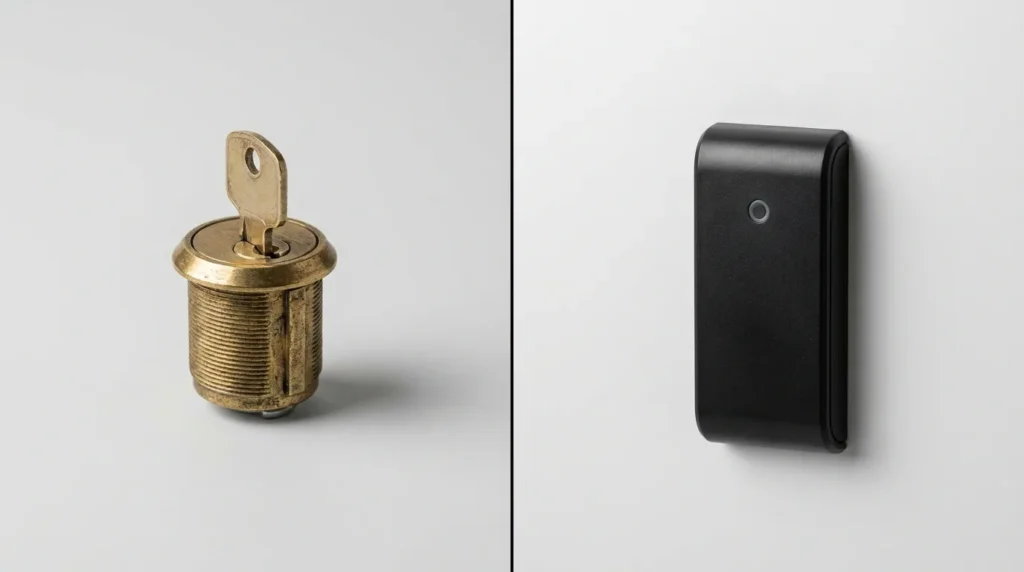
Limit it or skip it when:
A mixed build often wins. Master the low risk doors, then put access control on the three or four that matter. If a staff member is already stuck outside one of them, what to do while you wait outside is worth reading first.
Frequently Asked Questions
Master Keying for Lowcountry Commercial Buildings
Older properties around downtown Summerville and along Dorchester Road often run mixed hardware collected over decades. That is the hardest starting point for a keying plan and the most common one in the Charleston area. A site walk and a door schedule sort it out quickly. Every technician who touches your cylinders should be background-checked, trained, bonded, and insured, and you can meet the people who would handle your keys first. Ready to plan a master key system for your property? Start with an assessment of your building’s openings, or browse the full list of services offered here.