Why Does My Kwikset Lock Keep Jamming? Causes, Fixes, and Prevention
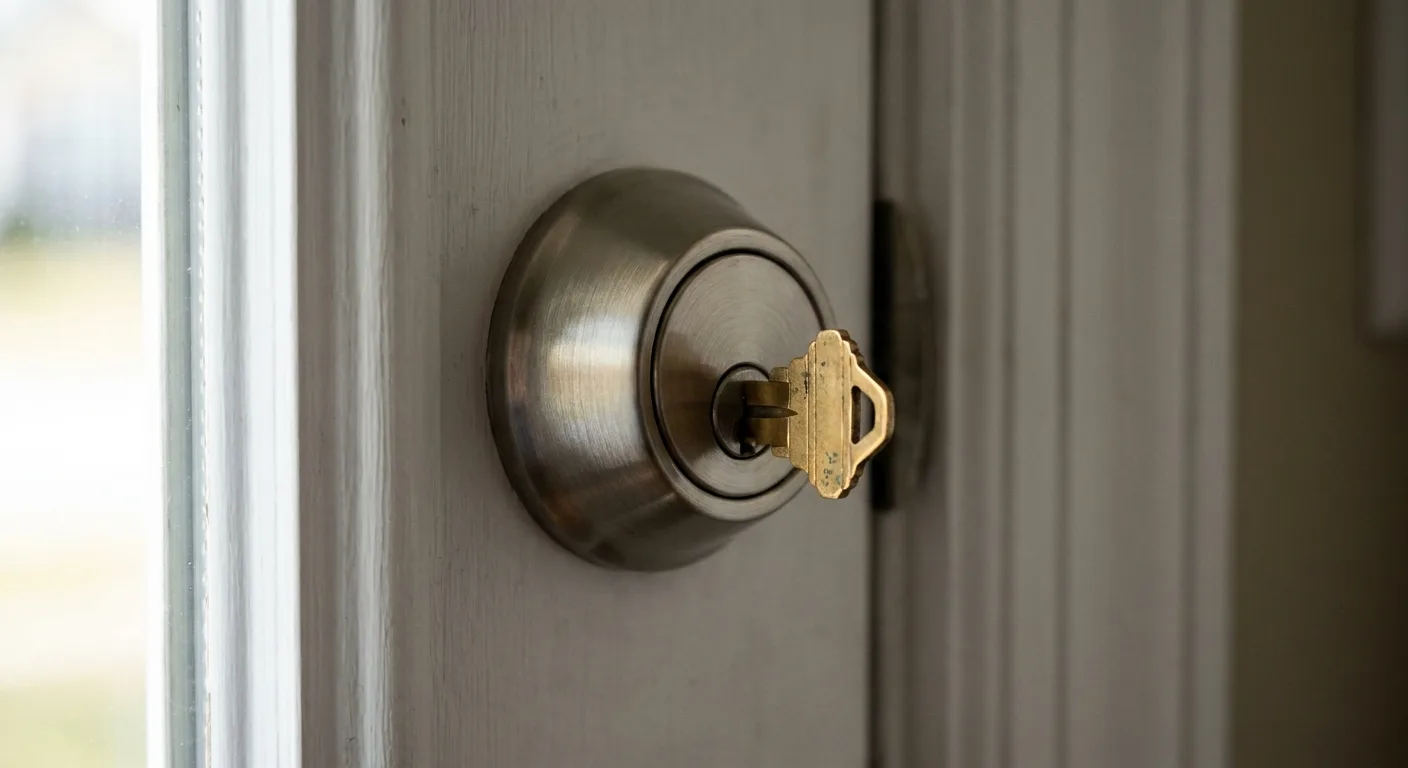
A lock that keeps jamming almost always traces back to four causes: a misaligned strike plate, grit inside the cylinder, corrosion on the internal parts, or a worn key. If you are asking why does my Kwikset lock keep jamming, look at the door before you blame the hardware. Houses move as they settle, and a bolt that no longer lines up with its strike plate binds every time you turn the key. Most jams get fixed in under an hour once you find the real source.
What Causes a Lock to Jam?
What causes a lock to jam is almost never one dramatic failure. Jamming builds slowly, usually from a door that shifted, a cylinder that collected debris, or a key that wore down over years of daily use.
Four problems account for most stuck deadbolts and knob locks. Work through them in order, because the cheapest fix is usually the right one.
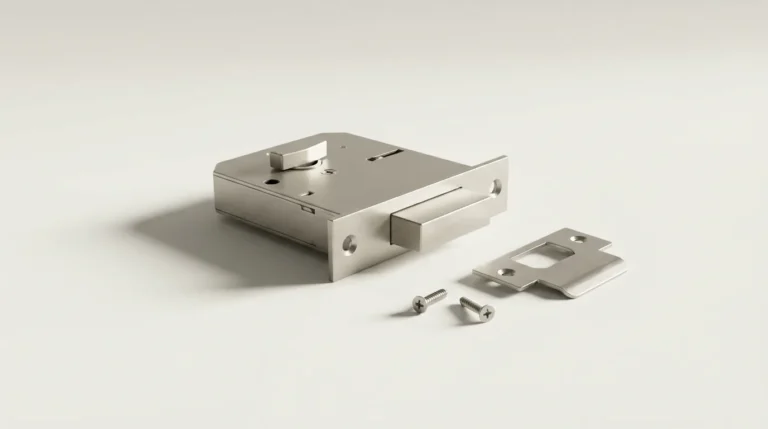
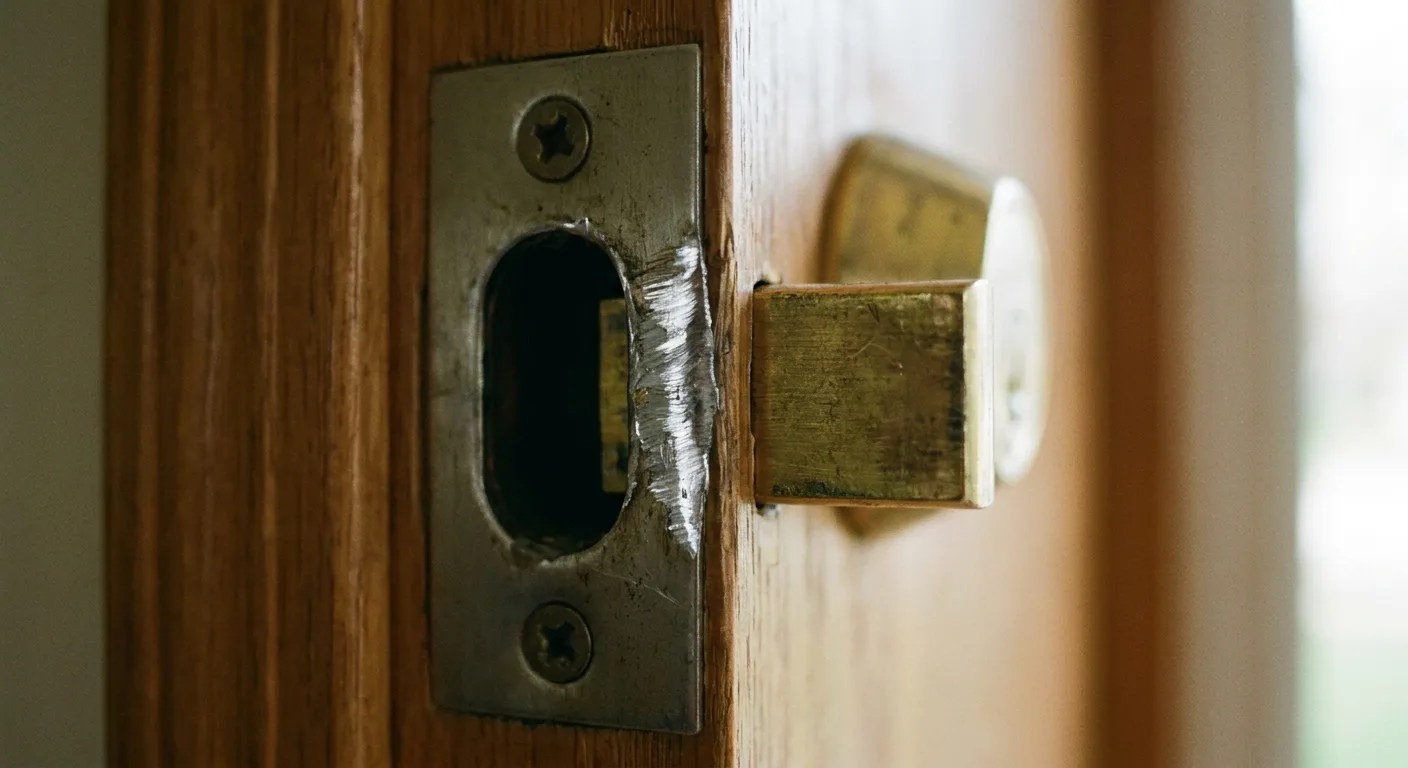
Strike plate misalignment
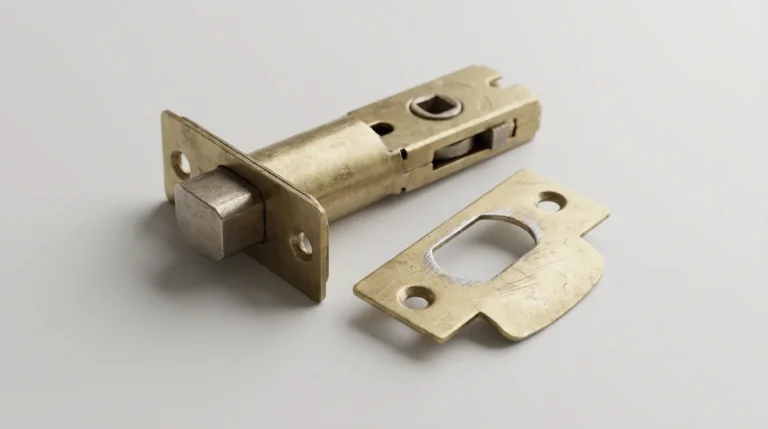
The strike plate is the metal plate on the door frame that the bolt slides into. When the door or frame moves even 1/16 of an inch, the bolt scrapes the edge of the strike instead of dropping cleanly through it.
You can test this in ten seconds. Open the door and throw the bolt with your key. If the lock turns smoothly with the door open but sticks when the door is closed, the lock is fine. The alignment is not.
Dirt, pollen, and grit inside the pin tumblers
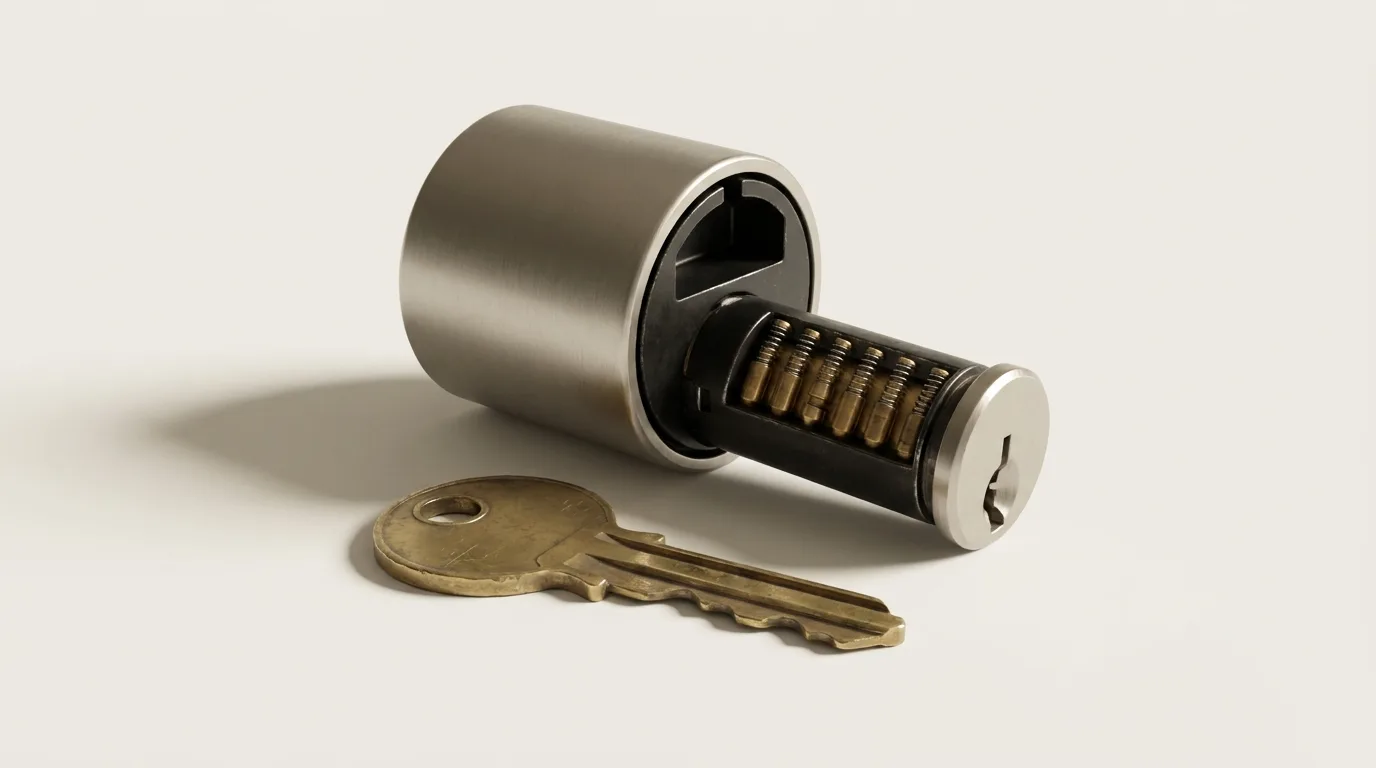
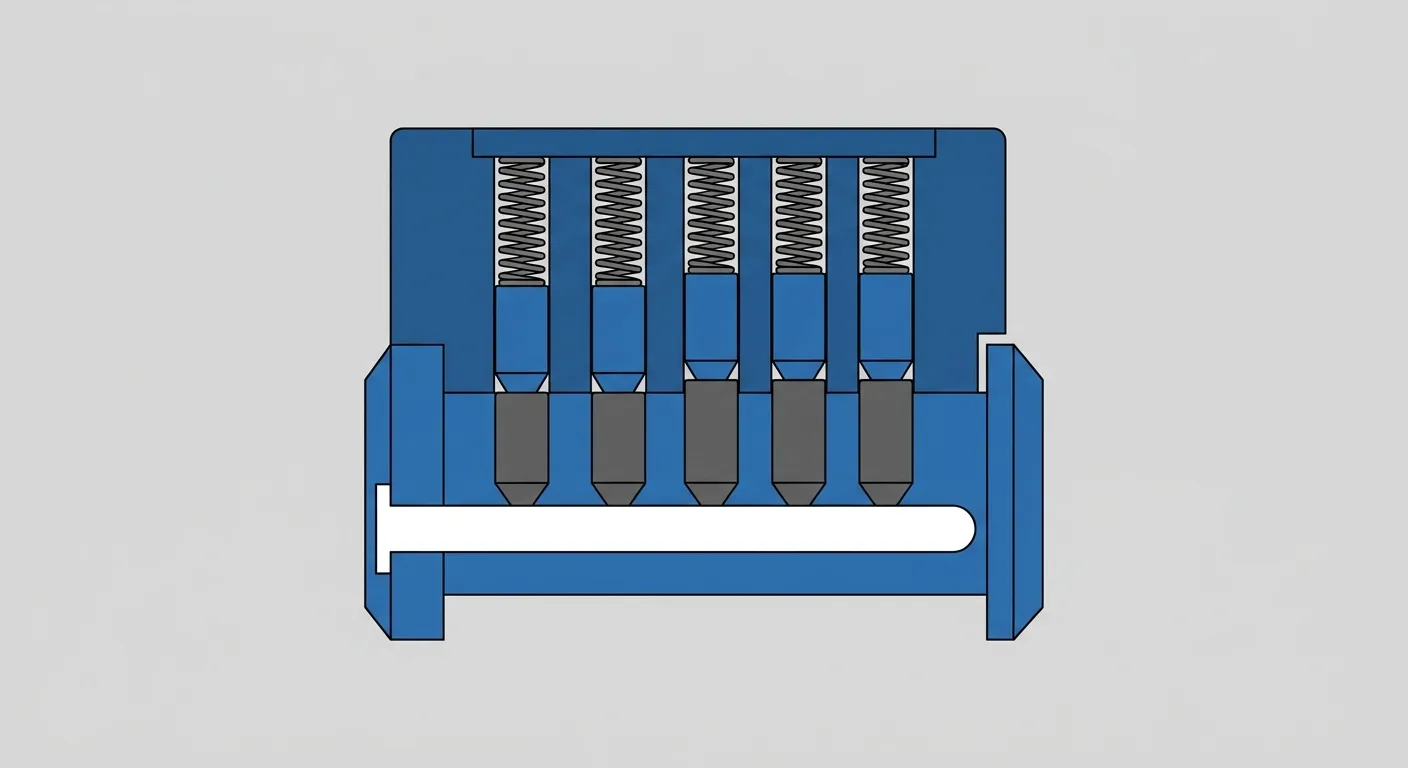
A pin tumbler cylinder holds five or six spring loaded pin stacks. Every stack has to rise to the same height before the plug will rotate. One grain of sand or a film of pollen is enough to hold a single pin down.
Spring pollen season here in Summerville is hard on exterior cylinders. Yellow pollen works into the keyway, mixes with old grease, and turns into paste. Locks that ran fine in February start dragging in April.
Corrosion from humidity and salt air
Lowcountry air carries moisture and salt all year. That combination corrodes brass pins, steel springs, and the bolt itself.
Corroded springs lose tension. When a spring cannot push its pin back down, the pin stays high and blocks the plug from turning. Locks on doors that face south or west, with no porch cover, fail first.
A worn or bent key
Keys are softer than the locks they operate. Brass and nickel silver keys lose cut depth after a few thousand uses.
A worn key stops lifting the pins to the right height. If you own three copies of the same key and only one sticks, the key is the problem, not the cylinder. Have a fresh copy cut from the original, not from a copy of a copy.
Why Do Locks Get Jammed in Some Homes but Not Others?
Why do locks get jammed on one house and never on the one next door? The answer is usually the building, not the brand of lock.
Older homes in the Historic District often run original mortise hardware that is decades past its service life. Those cylinders wear differently than modern deadbolts, and replacement parts are harder to source. Swapping one out often means pulling the old body off the door first.
Newer construction has the opposite problem. Homes in subdivisions like Nexton, Cane Bay, and The Ponds are still settling into clay soil. Clay swells when wet and shrinks when dry, which pushes door frames out of square during the first few years. A deadbolt installed perfectly at closing can bind two summers later.
Kwikset SmartKey Deadbolts and Why They Stick
Kwikset SmartKey cylinders use a sliding wafer system instead of standard pin stacks. The design lets a homeowner rekey the lock in seconds with a small learn tool. It also adds failure points that a traditional pin tumbler does not have. Homeowners who ask why does my Kwikset lock keep jamming are very often running a SmartKey cylinder rather than a standard one.
Why is my Kwikset lock jamming after a rekey?
A SmartKey cylinder that jams right after a rekey usually never finished the rekey cycle. The wafers sit half set, so the plug turns partway and stops.
Kwikset support documentation warns against forcing the learn tool or using a key that is not fully seated during the reset. If the reset failed, running it again correctly with the original tool clears the jam in most cases.
Lubricant is the other common cause. Oil based spray inside a SmartKey cylinder gums the wafers together and makes a temporary problem permanent.
How to fix a jammed Kwikset lock without making it worse
These five checks are safe for a homeowner. Run them in this order.
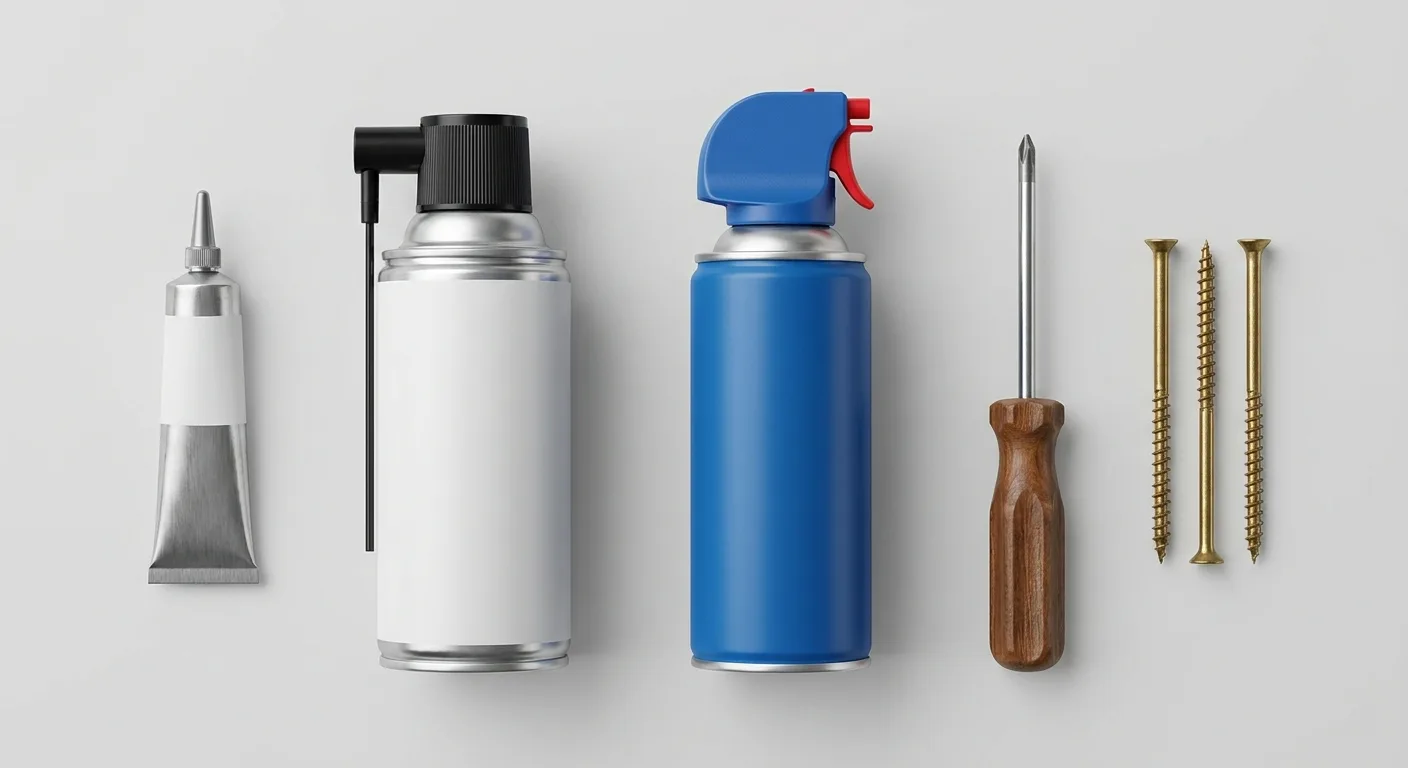
- Check alignment first. Open the door, throw the bolt, and watch whether it moves freely.
- Tighten the hinge screws. Swap one top hinge screw for a 3 inch screw that reaches the stud. Sagging doors cause more jams than failing locks do.
- Clean the keyway. Blow compressed air into the cylinder to clear pollen and grit.
- Apply a dry lubricant. Powdered graphite or a PTFE dry spray works well. Give it four or five key cycles to spread.
- Inspect the key. Compare it against a newer copy under good light.
Stop at that point. Forcing a key that has already started to bind is how keys snap off inside the cylinder, and a broken key inside the plug turns a small repair into a full cylinder replacement.
Drilling is not a homeowner repair. A drilled deadbolt is a destroyed deadbolt, and a slipped bit chews up the door edge as well.
Kwikset Smart Lock Keeps Jamming?
On a Kwikset smart lock like the Halo or SmartCode, a jam shows up as a straining motor or a failed lock attempt. Check the batteries first. Weak batteries cannot drive the bolt past a tight strike. Fresh batteries and a strike check fix many smart lock jams. A Kwikset deadbolt not turning smoothly by hand points to the same two causes: a dirty cylinder or a strike that has shifted. Kwikset lock sticking in summer is often the door, not the lock.
Jam Symptoms and What They Point To
Match what the lock is doing to the most likely cause before you touch it. The wrong fix on the wrong symptom makes most jams worse.
Symptom | Likely cause | DIY or pro | Typical fix time |
Key turns freely with the door open, binds when closed | Strike plate misalignment | DIY first, pro if the frame moved | 15 to 40 minutes |
Key enters but will not turn at all | Debris or corroded pins | DIY cleaning first | 20 to 30 minutes |
Key turns hard and gritty in both directions | Dry or contaminated cylinder | DIY dry lubricant | 10 minutes |
Bolt extends but will not retract | Bolt corrosion or frame pressure | Pro | 30 to 60 minutes |
Lock worked, then failed right after a rekey | Incomplete SmartKey reset | DIY retry, then pro | 10 to 45 minutes |
Key wiggles loosely and catches | Worn key or worn plug | Pro | 30 minutes |
Why Is My Master Lock Jammed?
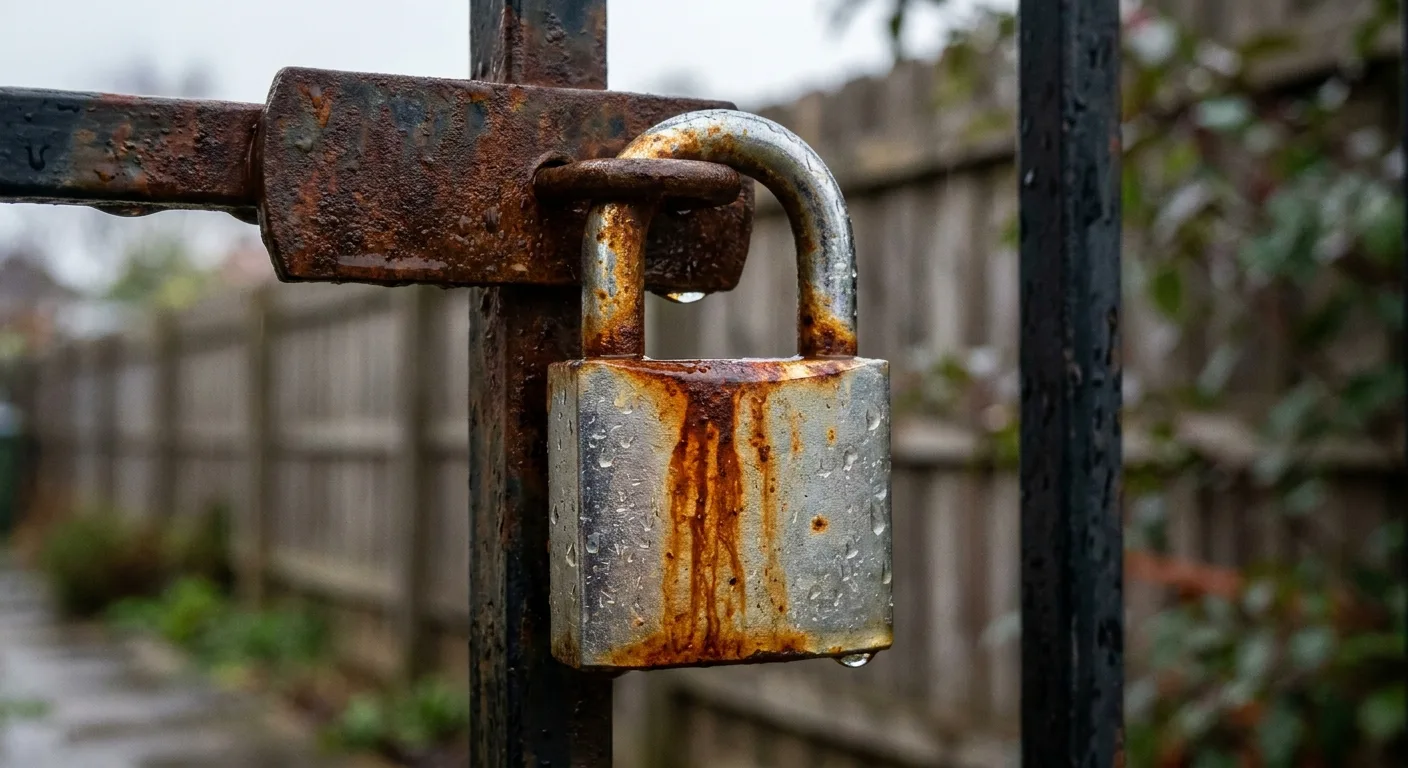
A jammed Master Lock padlock is a different problem from a jammed deadbolt. Padlocks live outdoors with no shelter, so water sits in the shackle holes and drains straight into the mechanism.
Rust on the shackle and the locking balls is the usual cause. Hard freezes are rare across Dorchester County, but a padlock left on a gate through a wet winter will seize.
Padlocks cost little to replace and a lot to repair. If a Master Lock shows rust bleeding from the keyway, replace it instead of restoring it. Pick a boron or hardened steel shackle model for any exterior gate or storage unit.
How Do You Stop a Lock From Jamming?
Prevention takes about ten minutes twice a year. Do it in early spring, before pollen peaks, and again in late fall.
- Clean and dry lubricate every exterior cylinder twice a year.
- Check strike plate alignment each time the seasons turn.
- Replace worn keys before they fail, not after.
- Tighten hinge and strike screws once a year.
- Rinse salt residue off exterior hardware if you live closer to the coast.
- Fit ANSI/BHMA Grade 1 or Grade 2 deadbolts on exterior doors. Grade 3 hardware wears out fastest.
The Builders Hardware Manufacturers Association grades locks under ANSI/BHMA A156.2 and A156.36 by cycle count, strength, and finish durability. Grade 1 deadbolts survive far more operating cycles than the Grade 3 units sold in bulk packs.
Can you spray WD-40 into a lock cylinder?
No. WD-40 is a water displacing solvent, not a lock lubricant. It strips whatever lubricant is already in the cylinder, then leaves a residue that attracts dust and pollen.
Locks treated with oil based spray usually run smoothly for a week or two, then jam worse than before. Use powdered graphite or a PTFE dry lubricant instead. Both leave a dry film that grit cannot cling to.
When a Jammed Lock Becomes an Emergency
A jam turns urgent the moment it locks you out or locks you in. A bolt that will not retract from the inside is a safety problem, not an inconvenience.
Get help right away if any of these apply:
- The bolt will not retract and you cannot exit through another door
- The key snapped off inside the cylinder
- The lock failed on a door you need for daily access
- The jam followed a break in attempt or visible damage to the frame
A stuck bolt on the only working exterior door needs same day attention. Waiting turns a cylinder service into a full hardware replacement. If the door has already shut you out, what you do in the first ten minutes matters more than anything else, and there are safe ways to work a sticking bolt loose before it gets that far.
Cost tracks the repair, not the panic. A daytime house lockout runs $85 to $150, and after hours calls run $125 to $250. Replacing the deadbolt outright runs $150 to $300 because the hardware gets billed on top of labor. Current service rates are listed in plain figures, so you can compare before you call. The people who show up are screened and vetted before they ever work on a customer door.
Frequently Asked Questions
Stuck Locks on Lowcountry Doors
Salt air, spring pollen, and shifting clay soil give doors across Dorchester County more trouble than doors in drier parts of the country. If you have worked through the checks above and still wonder why does my Kwikset lock keep jamming, the door has probably moved past what a homeowner fix can correct. A jammed deadbolt that will not release gets handled the same day, and every technician sent to a home is background-checked, trained, bonded, and insured. Start at our main page to see the full range of lock and key work available in the area.