What to Do If You Get Locked Out of Your House
You are standing on your own porch and the door will not open. Stop before you touch anything. Knowing what to do if you are locked out of your house saves money, because rushing is what costs people the most. Walk the full perimeter and check every other door and window first. Call anyone else who holds a key. If neither works, call a locksmith instead of a neighbor with a screwdriver. Most home lockouts end in under 30 minutes with no damage to the door or the lock.
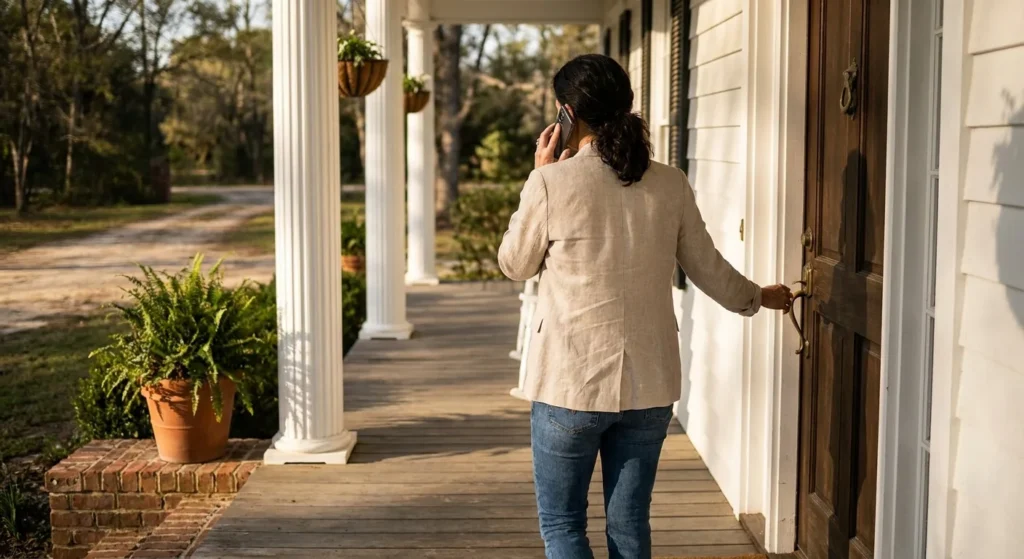
What to Do When You Are Locked Out of Your House: The First Five Minutes
Work through the free options before you spend a dollar. What to do when locked out of your house starts with five minutes of checking, not with force. Panic is expensive: a splintered jamb costs more than the callout that would have avoided it.
Run this list in order.
If you rent, your landlord or property manager comes before anyone else. Many management companies keep a master key and send someone at no charge during business hours.
How Do You Get In If You Are Locked Out of Your House?
Most advice on what to do if you are locked out of your house jumps straight to the locksmith. Five routes exist, cheapest to most expensive. Start at the top.
An open window is not the win it looks like. Screens tear, sills crack, and a second story fall ends far worse than a lockout.
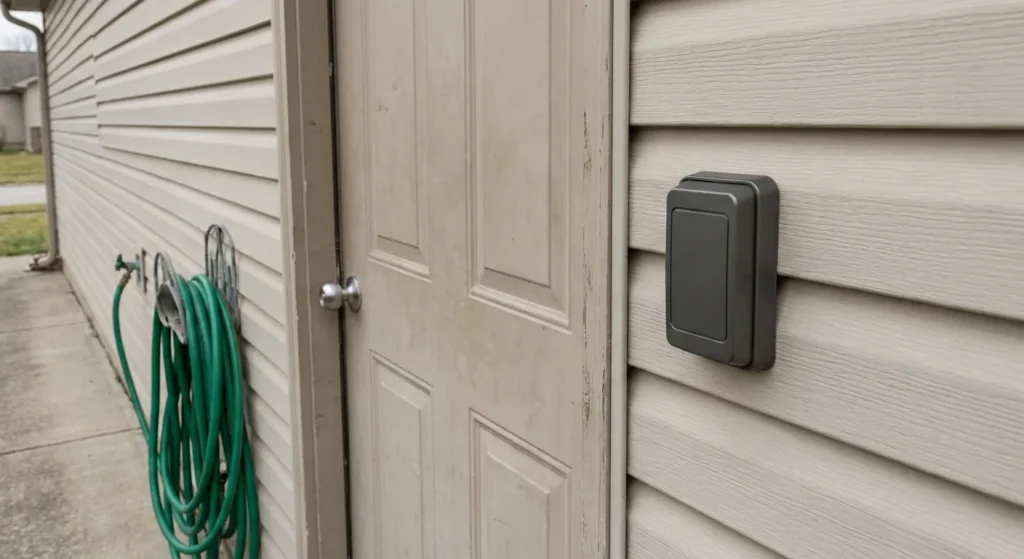
Why Forcing the Door Costs More Than the Lockout
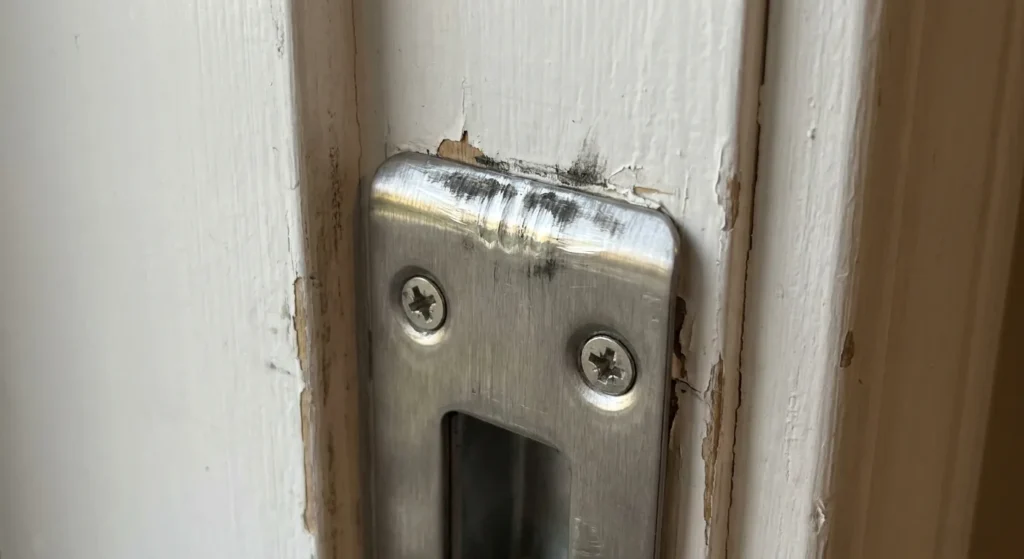
Kicking a door does not break the lock. It breaks the frame. The deadbolt stays intact while the strike plate rips its screws out of a soft pine jamb, which then needs a carpenter and paint.
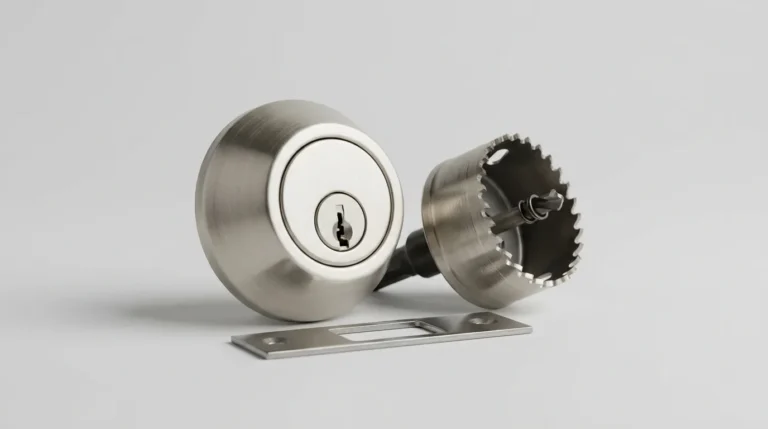
Credit card tricks fail on any door with the deadbolt thrown, and they chew up the latch on doors where they work. Drilling is a last resort a technician uses on a seized cylinder, not a homeowner first move. Once a cylinder is drilled, the lock gets replaced, and a $150 to $300 deadbolt install lands on top of the callout you already paid.
Call before the frame is damaged, not after. A technician can open a jammed deadbolt without wrecking the door, and the repair bill for a forced entry almost always beats the price of the visit you were trying to avoid.
Who to Call When You Are Locked Out of Your House
Call a locksmith if you own the home, and your landlord first if you rent. Deciding who to call when locked out of your house depends on the hour, the roadside plan you carry, and whether anyone is at risk inside.
Who you call | Typical response | Typical cost | When it actually applies |
|---|---|---|---|
Locksmith | 20 to 45 minutes | $85 to $250 | You own the home, or management is closed |
Landlord or property manager | Same day, office hours | Free to $50 | You rent and it is a weekday |
AAA (Premier tier only) | You arrange it yourself | Reimbursed up to $100 | You already hold a Premier membership |
Police (non emergency) | Varies widely | Free | A child or pet is inside, or a medical risk exists |
Fire department | Under 10 minutes | Free | A stove is on, or someone inside needs help now |
Police and fire crews are not locksmiths. They open doors only when someone is in danger, and they do it the fast way, which usually means a broken window.
Can Police Help If You Are Locked Out of Your House?
Usually no. Officers in most South Carolina jurisdictions carry no entry tools and will not open a door for a routine lockout, largely because they cannot verify who lives there on the spot. Call the non emergency line and they will confirm what applies locally. Dial 911 only when a child, a pet, or a running stove sits on the other side of that door.
Does AAA Cover Being Locked Out of Your House?
Only at the Premier tier, and only as a reimbursement. Premier members pay the locksmith, then claim up to $100 back with proof of residency, one use per membership year. Classic and Plus cover vehicles, not houses. The benefit pays for opening the door and nothing else, so hardware, a rekey, or a cut key come out of your pocket. That $100 covers most of a daytime call and roughly half an after hours one. Limits shift by regional club, so check your terms at AAA.com.
I’m Locked Out of My House. Who Do I Call First?
If you are locked out of the house, call anyone with a spare key first. Next, call your landlord if you rent. If neither works, call a locksmith. A good one asks for ID and proof you live there before opening the door.
What Happens If You Get Locked Out and Nobody Has a Spare Key?
A locksmith opens the door, and you decide afterward whether to rekey it. Past this point, what to do if you are locked out of your house comes down to which lock you own and whether you can prove the address.
Expect to show two things before work starts.
Any technician who skips that step is one you should not have in your house. Ours never do, and how we screen every person we send out is worth two minutes now.
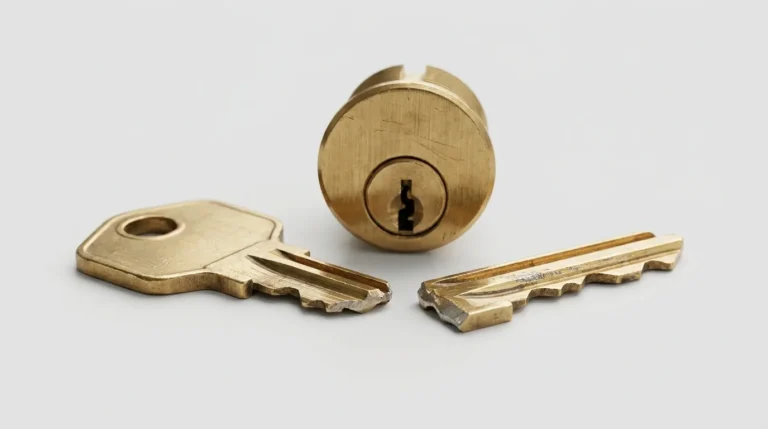
Most standard deadbolts open without damage. A seized cylinder, a lock rated to UL 437, or hardware already broken before the lockout can change that. If the cylinder gets replaced, ask about a rekey at the same time so every door runs one key again. Rekeying runs $95 to $155 for the first lock and $25 to $50 for each one after. If the key snapped off rather than getting left inside, pulling a snapped key out of the cylinder is a different job at a different price.
How Much Does a House Lockout Cost?
Most residential lockouts land between $85 and $150 during the day. After hours, weekends, and holidays run $125 to $250. Four things move that number.
Factor | Effect on price |
|---|---|
Time of day | After 8 p.m., weekends, and holidays add roughly $40 to $100 |
Lock type | Standard deadbolt is base rate. High security cylinders cost more |
Damage already done | A forced door adds hardware and labor on top of the opening |
Distance | Calls outside the immediate service area add a trip fee |
Get the full number on the phone before anyone drives out, service call fee included. That fee normally runs $50 to $100 and should be quoted up front. A price that appears only after the van reaches your driveway is the oldest trick in this trade. Our what a house call runs at different hours page lists flat figures, and how after hours calls are handled explains the late night rate.
How to Keep This From Happening Again
One lockout is bad luck. Two means the hardware or the habit needs fixing.
Lowcountry weather works against your hardware. Salt air and humidity corrode pin tumblers and springs inside the cylinder. Spring pollen packs the keyway until the key stops seating fully. Clay soil settling under older homes shifts door frames, so the strike plate creeps out of line and the bolt binds. Historic District houses on original hardware feel it worst.
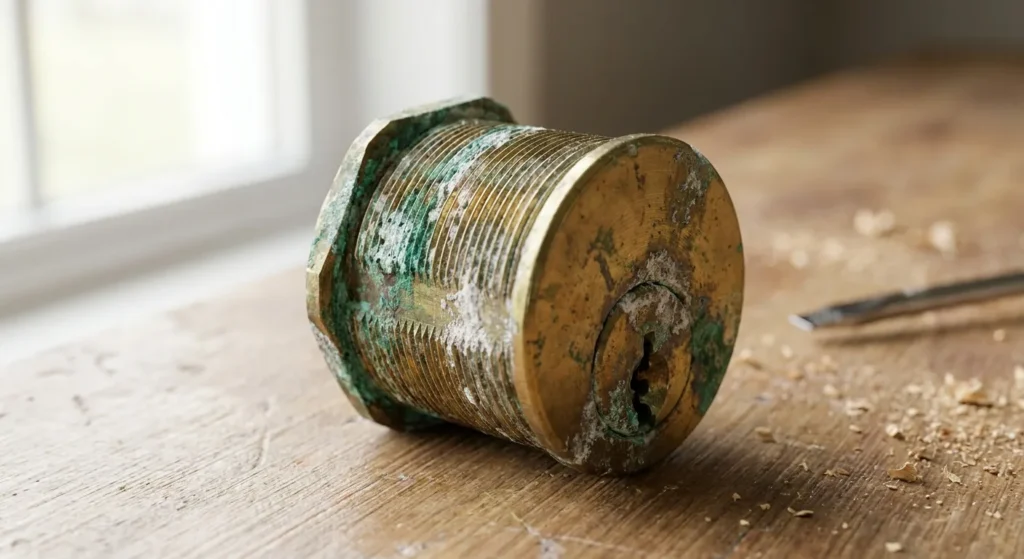
Signs Your Lock Is About to Strand You
Graphite or a dry PTFE lubricant fixes a gummed cylinder. Skip WD-40, which strips existing lubricant and collects grit. If the bolt binds on the strike plate, the fix is the frame, not the lock. When a cylinder is past saving, taking the old deadbolt off the door is a screwdriver job most homeowners handle fine. Hardware graded under ANSI/BHMA standards tells you what you bought: Grade 2 suits most homes, and Grade 3 is the builder bolt that fails first in this climate.