How to Change a Commercial Door Lock Without Damaging the Door
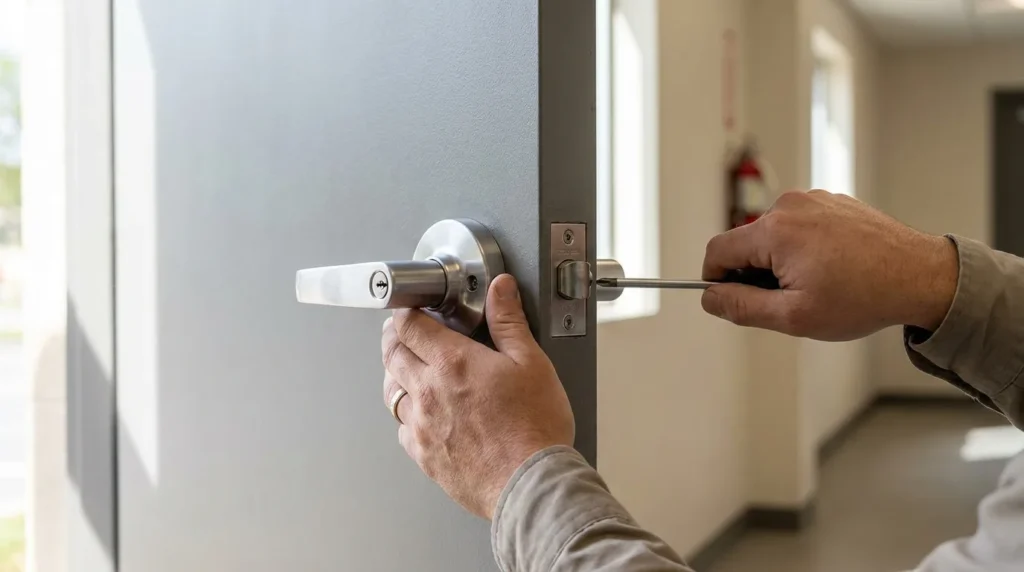
Changing a lock on a business door takes 30 to 60 minutes when the existing door prep matches the new hardware. You measure, take out the old lockset, fit the new one, then adjust the strike until the latch catches clean.
Knowing how to change a commercial door lock is realistic for cylindrical locksets on wood or hollow metal doors. Mortise pockets, aluminum glass doors, and fire-rated openings are a harder job. This guide covers the steps, the hardware grades, and the point where doing it yourself gets expensive.
How to Replace a Commercial Door Lock in Six Steps
Most swing doors follow the same sequence. Knowing how to replace commercial door lock hardware starts with measuring what is already on the door, not with buying anything.
Buy the lock second. Returning a mortise lockset because the backset was wrong costs you a week of downtime.
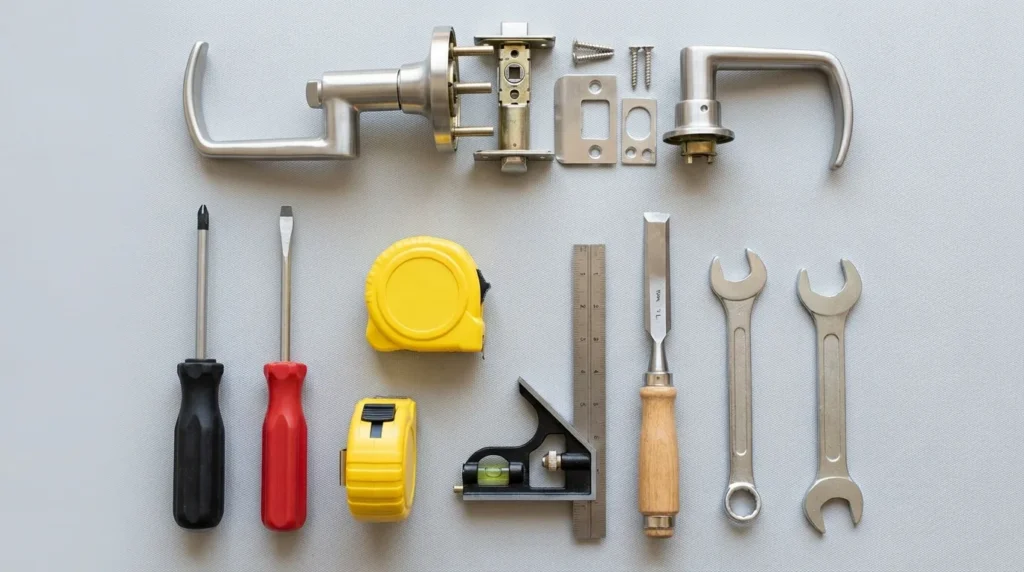
Tools and Hardware to Gather First
You need less than people expect. A door that already has the right prep needs no drilling at all.
Write down six numbers before you shop:
Fitting and Installing the New Hardware
Photograph the old lock from both sides before you touch it. That photo saves you when the new trim goes on backward.
On a mortise lockset, the cylinder cam has to sit at the right clock position or the bolt will not throw. Check the manufacturer template before you tighten the set screws.
Fixing Strike Plate and Alignment Problems
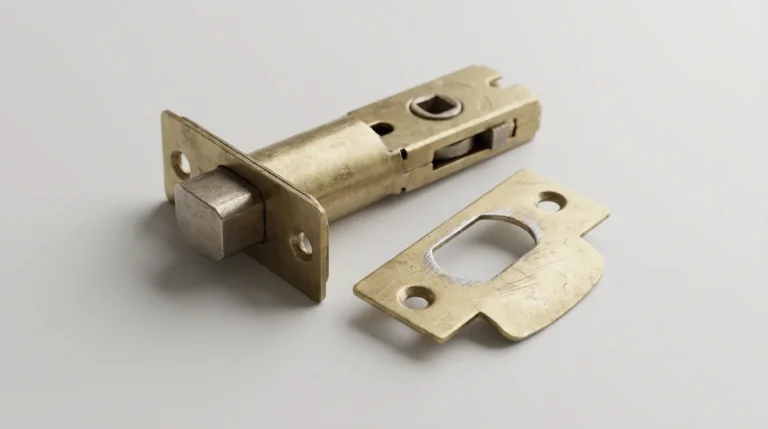
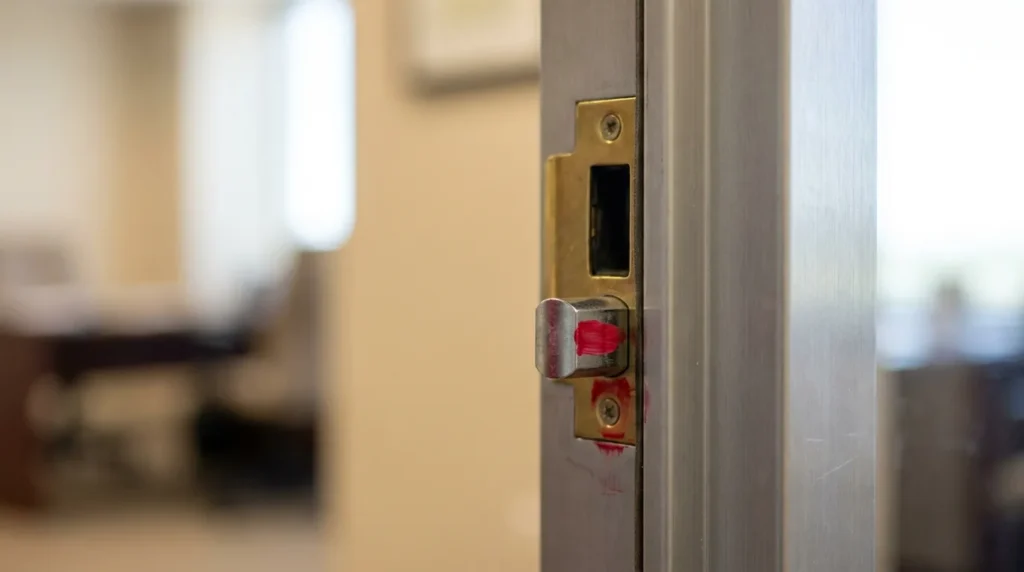
A latch that will not catch is almost never the lock. It is the strike. Rub the latch with lipstick or a marker, close the door, and look at where the mark lands on the strike plate. That tells you which way to move it.
Buildings across Dorchester County sit on clay that swells in the wet months and shrinks in the dry ones. Frames shift, and strikes drift out of true. A file will open the strike opening by a sixteenth of an inch, which is usually all you need to fix it.
If the gap runs wider than a quarter inch, the door has dropped. Swap the top hinge screws for 3 inch screws that bite into the framing behind the jamb. That pulls the door back up.
How to Remove a Commercial Door Lock
How you remove a commercial door lock depends on its type.
- Mortise lock cylinder: take off the faceplate on the door edge. Loosen the cylinder set screw behind it. Unscrew the cylinder from the front.
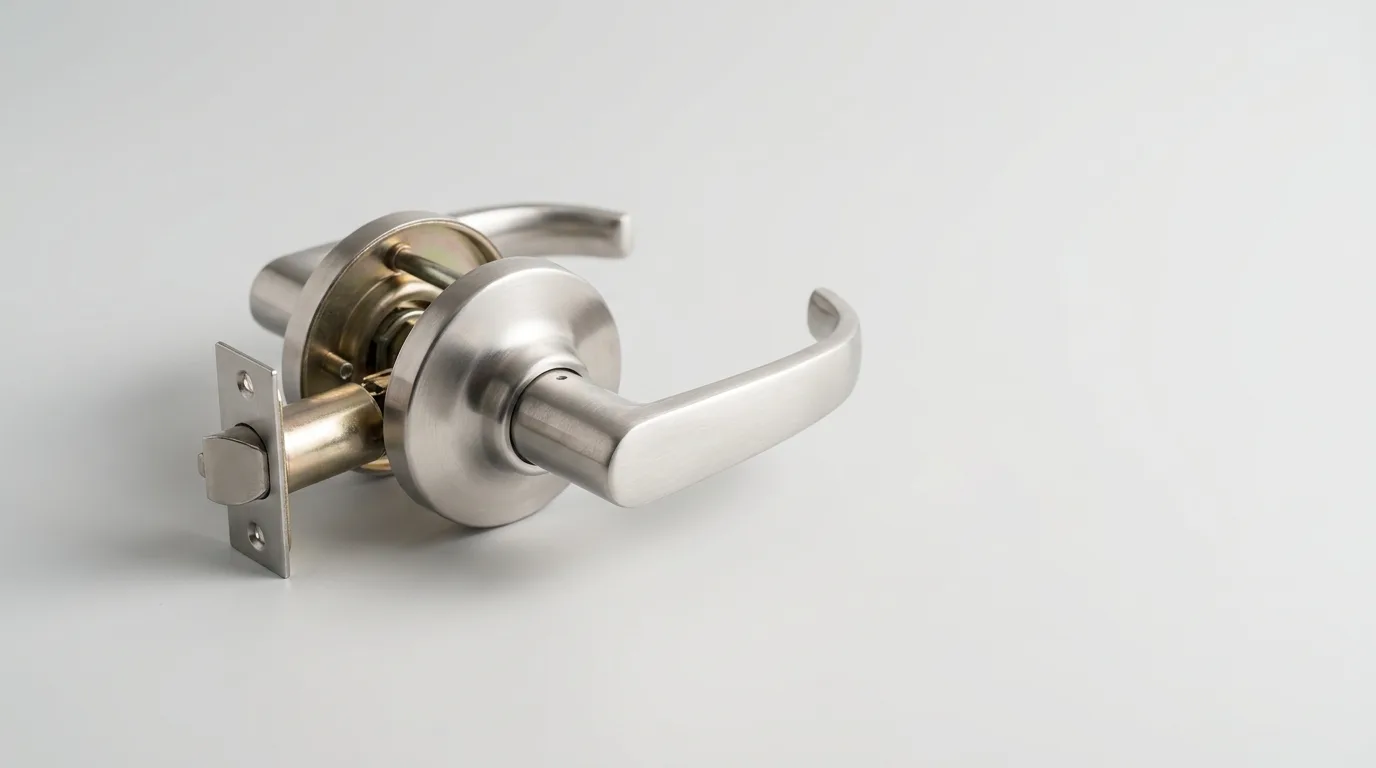
- Cylindrical lever lock: press the lever release through the small hole in the lever neck. Pull off the lever, remove the rose, then take out the through bolts.
- Rim cylinder on a glass or panic door: remove the two screws on the inside back plate. The cylinder pulls out from the front.
Put the set screw or back screws in a cup. They are small and easy to lose. If you would rather hand the job off, see our commercial lock installation and replacement service.
Commercial Lock Types and Cylinder Variants
Grade matters more than brand. ANSI/BHMA A156 rates hardware on cycles and strike resistance, and the Builders Hardware Manufacturers Association publishes the standard at buildershardware.com. Grade 1 survives 800,000 cycles. Grade 3 is residential and does not belong on a business entry.
Lock type | Where it shows up | Typical hardware cost | Swap difficulty |
|---|---|---|---|
Cylindrical lever, Grade 2 | Interior offices, back doors | $60 to $150 | Easy |
Cylindrical lever, Grade 1 | Main entries, high traffic | $150 to $400 | Easy |
Mortise lockset, Grade 1 | Older buildings, heavy doors | $300 to $800 | Hard |
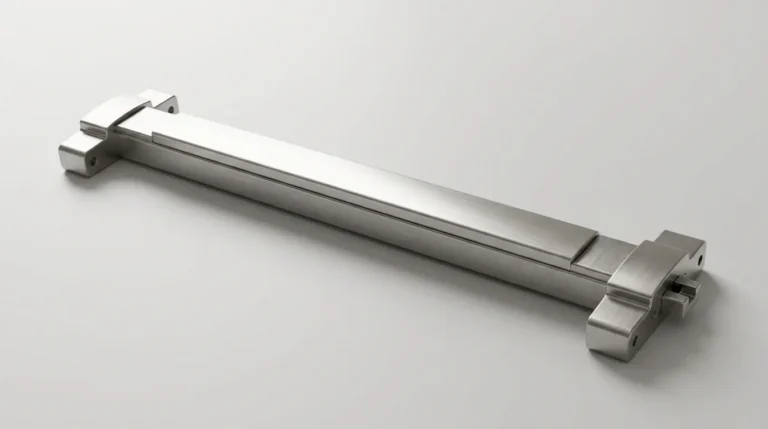
Rim exit device (panic bar) | Egress and assembly doors | $200 to $700 | Moderate |
Interchangeable core (SFIC) | Multi tenant suites | $25 to $60 per core | Very easy |
Aluminum storefront deadlatch | Glass doors | $60 to $200 | Moderate |
Prices above are 2026 retail hardware only. Labor sits on top.
How to Change Commercial Door Lock Cylinders Only
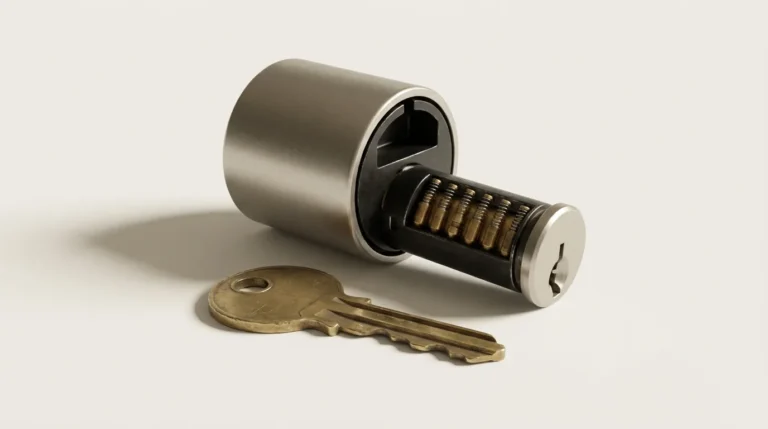
Property managers often ask how to change commercial door lock cylinders without buying new levers. On most hardware you can, and it costs a fraction of a full swap.
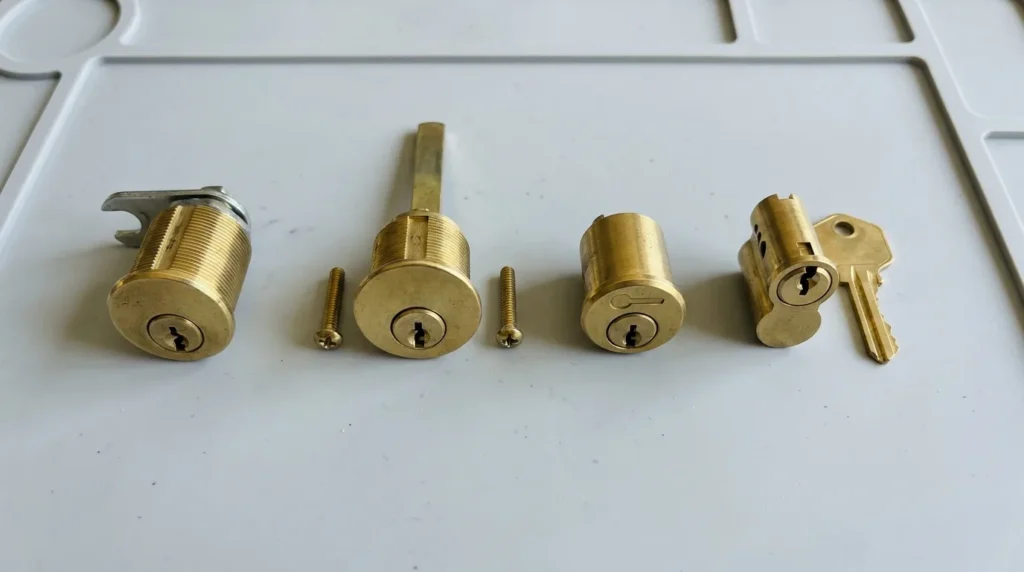
Four cylinder variants cover almost everything you will meet:
SFIC is why large offices standardize on it. Staff leaves, you pull the core, drop in a new one, and nobody removes a single screw.
Should You Rekey or Replace the Lock?
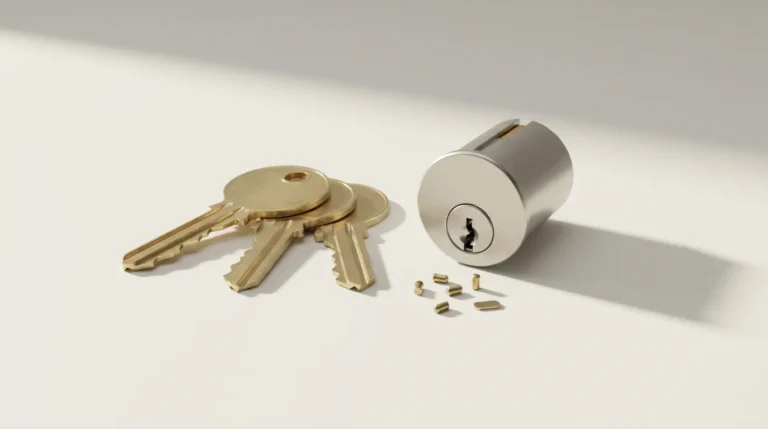
Rekey when the hardware still works and you only need new keys. Replace when the lock itself has failed, or when the grade is too low for the door.
Option | What actually changes | Typical time | Best when |
|---|---|---|---|
Rekey | Pins inside the existing cylinder | 15 to 30 minutes per lock | Keys are missing, hardware is sound |
Replace cylinder only | New cylinder, same lever set | 10 to 20 minutes | Key sticks, or you want a restricted keyway |
Replace full lockset | Latch, trim, and cylinder | 30 to 60 minutes | Lever sags, grade is too low, visible damage |
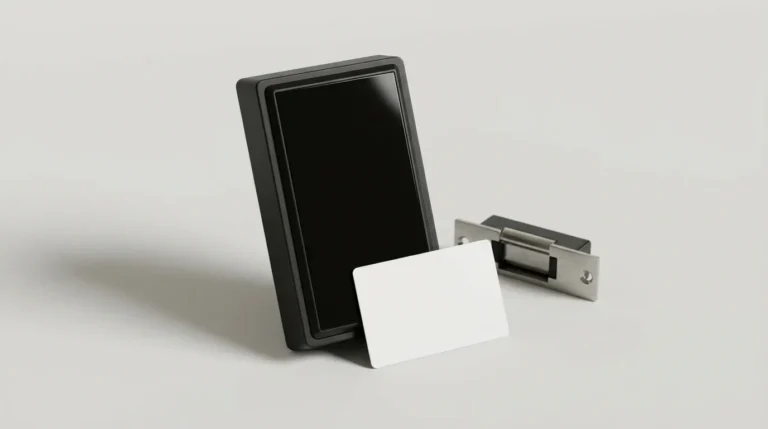
Move to access control | No keys at all | Half a day and up | Staff turnover is constant |
Rekeying a commercial lock runs $95 to $195 for the first lock in this market. You can check what rekeys and panic bar work usually cost before anyone quotes you.
A house door works the same way. On a home, a tech can repin the cylinder in under an hour and you keep the hardware you already own.
How Do You Change the Lock on a Commercial Glass Door?
You replace the deadlatch or hook bolt inside the aluminum stile, not the whole door. The question of how to replace commercial door lock parts on an aluminum frame has a completely different answer than a wood door.
Narrow stile glass doors carry roughly 1 3/4 inches of metal to work with. Adams Rite built the standard hardware for these, and a MS1850S maximum security deadlock is common on storefronts. The cylinder is a mortise cylinder with a specific cam, and the wrong cam means the bolt never throws.
Three things go wrong on glass doors more than anywhere else:
Never drill an aluminum stile to fit hardware it was not made for. There is no material to spare, and a botched cut means a new door leaf.
Frequently Asked Questions
Commercial Lock Work Across Summerville and Dorchester County
Storefronts on Main Street and offices out toward Nexton deal with the same two problems: humidity that corrodes hardware and doors that shift with the season. Anyone can learn how to change a commercial door lock on a simple door, but grade selection, exit device work, and fire code compliance are worth a phone call. Every technician is background-checked, trained, bonded, and insured. Ask about master keying and suite-wide lock changes, if you are not sure which one you need.